
Nepal Floods: How the Disaster Could Impact Its Economy
Share this article
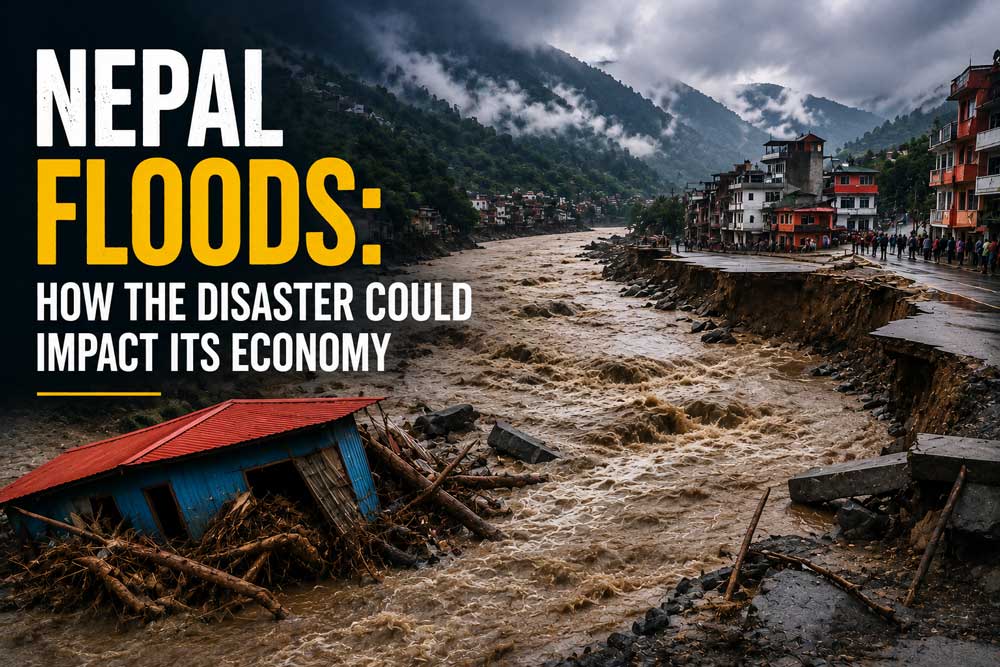
Nepal is facing a major economic shock after devastating floods and debris flows struck communities along the Bhotekoshi and Trishuli river systems on August 26, 2026. The disaster has destroyed homes, roads and bridges while damaging hydropower infrastructure and disrupting a key trade corridor with China.
The immediate priority is rescue and relief. But once the emergency phase ends, Nepal will face a second challenge: how to finance reconstruction without putting additional pressure on an already vulnerable economy.
Reconstruction Could Cost Billions
Nepal's Finance Minister has estimated that rebuilding could require $4 billion to $5 billion, potentially equivalent to nearly a tenth of the country's economy. The estimate is preliminary and will change as authorities complete a detailed assessment of the damage.
The scale is significant because Nepal was already expected to experience slower economic growth. The World Bank's Nepal economic outlook projected GDP growth of only 2.3% in FY26, down from 4.6% in FY25.
The floods could therefore increase pressure on public finances just as economic momentum is already weak.
Hydropower Faces a Major Setback
Hydropower is one of Nepal's most important long-term growth opportunities.
The latest floods damaged multiple hydropower projects and transmission infrastructure. Preliminary estimates reported by Nepal's electricity authorities suggest losses could run into hundreds of billions of Nepalese rupees.
This is more than an infrastructure problem.
Nepal has been expanding hydropower to support domestic electricity consumption and increase exports. Damage to generating capacity could delay those plans, reduce electricity availability and force developers to spend heavily on repairs.
The disaster could therefore affect both current economic activity and future investment returns.
Trade and Tourism Could Take Another Hit
The flood also damaged roads and bridges along an important Nepal-China corridor.
The destruction of border infrastructure could disrupt trade, increase transportation costs and make it harder for businesses to move goods.
Tourism is another concern. The affected region includes routes connected to Himalayan tourism and pilgrimage travel. Disruptions to roads, bridges and trekking infrastructure could discourage visitors and reduce income for hotels, guides, transport operators and local businesses.
For an economy that depends heavily on tourism and remittances, another shock to foreign-exchange-generating activity could be significant.
Agriculture and Local Businesses
Floods can also create less visible economic damage.
Farmers may lose crops, livestock and irrigation infrastructure, while small businesses can lose inventories, equipment and access to customers.
The impact can spread through local economies:
Damaged infrastructure → disrupted businesses → lower household income → weaker consumption.
That means the economic cost will likely extend well beyond the areas directly hit by floodwaters.
The Recovery Challenge
The Asian Development Bank has already approved a $5 million emergency grant for rescue and relief operations, while a broader post-disaster assessment is being prepared.
But emergency assistance is only the beginning.
Nepal will eventually need to rebuild roads, bridges, power infrastructure and communities while making them more resilient to future disasters.
The bigger economic question is therefore not simply how much the floods destroyed.
It is whether Nepal can turn reconstruction into an opportunity to build infrastructure capable of withstanding the next climate-related shock.
For Nepal, the cost of this disaster will be measured not only in today's losses, but in how much future economic growth is delayed—or protected—by the reconstruction decisions made now.
Tags